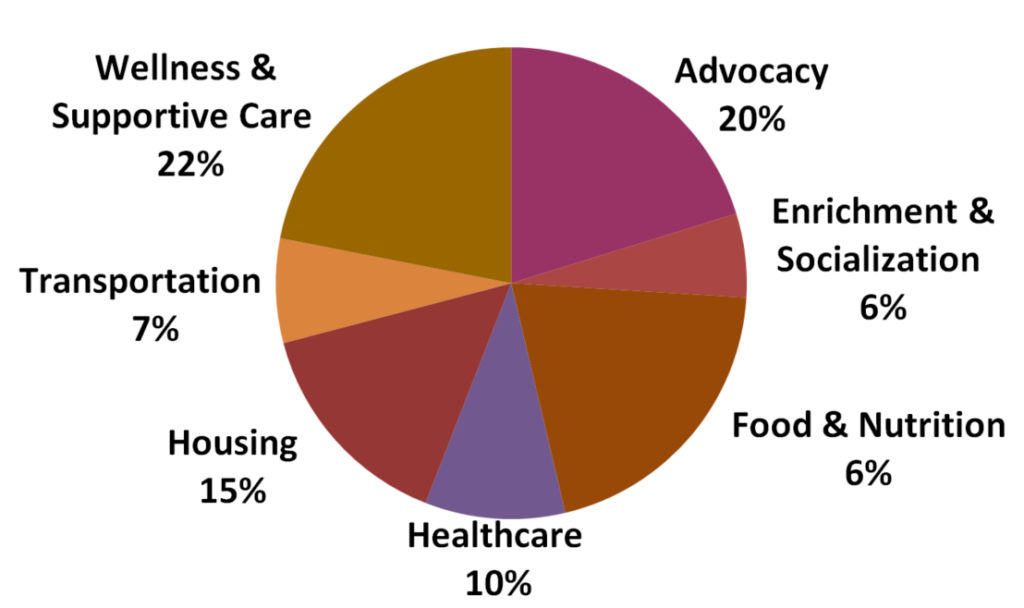
In 2026, the Foundation distributed $2,052,000.00 to forty-two different nonprofit agencies in Middle Tennessee. The nonprofit agencies and projects receiving funding are detailed below.
Funding will support AgeWell Middle Tennessee’s core services with emphasis placed on growth of AgeWell’s impact as a convener, catalyst & advocacy leader in addressing unmet needs of older adults and family caregivers. Core activities & initiatives include Advocacy and Thought Leadership, Directory of Services and Other Resource Guides, Community Helpline, Community Outreach & Education, Eldercare Coach, and serving as the backbone agency for the RESET collaborative.
Nashville PBS Reports: Aging Matters is a documentary series that informs viewers about the major issues and concerns facing older adults, their families and caregivers. Community outreach events and convenings offer opportunities for older adults to come together to learn more about resources.
Next Age on WPLN’s This is Nashville program focuses on aging, exploring topics that are relevant, beneficial, and engaging for older adults and the community at large. Next Age airs bi-monthly.
The Senior Legal Helpline helps older persons age with dignity and security by making civil legal help more accessible. This project will protect and enhance the essential rights and benefits of older persons in Davidson and contiguous counties.
Friends of Mill Ridge Park is focused on making Mill Ridge Park an age-friendly park that is accessible and well utilized by older persons residing in the Southeast part of Davidson County and beyond. Special initiatives include increased outreach, advisory board that is inclusive of older adults and age-inclusive programming, fostering greater inclusivity and program impact.
The Transformative Live Music Program provides fully subsidized music programs for Sunny Day Clubs and under-resourced memory care communities. Memory care programming not only benefits the older adult, but also provides respite for caregivers, and special shared moments of joy.
The Renaissance Center is committed to reducing isolation and improving the quality of life for older adults through engaging, structured activities. The Enriching the Lives of Older Adults initiative will expand current programming to include more frequent fitness classes, technology training, arts and crafts, and health and wellness workshops.
The Bethlehem Senior Resource Center provides Meals on Wheels through partnerships with fourteen North Nashville churches and hosts the Active Seniors Circle to provide wellness and enrichment programs.
Inspiritus addresses food insecurity for North Nashville residents through a food pantry and a community garden program. They also offer a robust enrichment program for older women.
OSDTN has a staff person dedicated to working directly with older Veterans experiencing food insecurity. While the primary focus will be addressing food insecurity, a resource navigator will connect older veterans to other needed resources.
St. Luke’s Senior Programs provides older adults with food security, hunger relief and supportive care through mobile meals, food boxes, community events, mental health support, volunteer opportunities and free tax preparation.
Alive Hospice is committed to providing hospice care to all people, regardless of their ability to pay for services. WEHF funding will support their financial assistance fund to ensure that no one is turned away because of lack of resources.
Black Mental Health Village and Nana’s Circle support older adults raising children under eighteen through case management, trauma-informed mental health support, peer connection, and education. Healing circles, therapy sessions, and training workshops reduce isolation, ease caregiver stress, and build resilience. Nana’s Circle programming nurtures intergenerational healing and empowers families to grow stronger across generations.
Smiles for Life provides high quality complete dental care, emergency dental care and oral hygiene education to low income and under-insured older adults.
The Senior Rehabilitation Program supports older adults in Franklin’s historic Hard Bargain neighborhood who are living on fixed incomes in aging family homes in need of critical repairs. The project addresses health, safety, and accessibility issues that promote aging in place, stability, and quality of life for Hard Bargain’s older adult homeowners.
Housing Navigation for Older Adults provides street outreach that addresses the unique needs of unhoused older adults. The program connects individuals experiencing homelessness to resources, supportive services, and permanent housing. Grant funds will help cover additional direct costs for older adults, including birth certificates, IDs, housing application fees, security deposits, NES deposits, and Welcome Home Kits with essentials like bedding, cookware, and mobility aids.
Rebuilding Together-Nashville’s Express Repairs program will allow RTN to serve more homeowners faster and more efficiently by using a contracted handyman to service needs such as falls prevention, home maintenance (small plumbing or electrical issues, functioning smoke detectors and fire extinguishers), energy upgrades, and appliance replacement. Their Safe and Healthy Homes Initiative provides more extensive repairs to ensure long-term sustainability of the housing stock. Target communities are Bordeaux and the Dickerson Pike Corridor.
The Elderly & Disabled Assistance Program provides emergency financial assistance (rent and utilities), prescription drug assistance, coordination of services and referrals to other local community agencies in Rutherford County.
Through the Older Adult Support Program, the CRC partners with nonprofit organizations that serve our aging neighbors to provide essential hygiene and household cleaning products at no cost. All participating older adults within this program receive pre-packaged CRC Support kits on a consistent basis, that contain a carefully curated selection of products that our older neighbors need to maintain hygiene, good health and human dignity.
FiftyForward Supportive Care Services serve older adults who are in need of assistance with care management, food security, adult day services and conservatorship services. The older adults participating in the Supportive Care continuum face aging-related challenges and barriers including limited financial and supportive resources, functional limitations, and isolation.
FiftyForward Bordeaux – Lifelong Learning Center provides education, wellness and enrichment programs for center members in the North Nashville community.
The Front Porch Program: Welcoming Refugee Elders provides classroom experiences, enrichment events and case management to refugee elders.
Funding is targeted to two projects: the Respite Voucher Program provides respite vouchers to caregivers who are at least 60 years old and caregivers of individuals who are at least 60 years old in the seven Middle Tennessee counties; the Sumner Senior Volunteer Program matches volunteers who are at least 60 years old to families who are in a caregiving situation to offer assistance and companionship to the older adult who needs care.
The SeniorTrust Grant Program transformed the system of care for older Tennesseans. In 2014, the Tennessee Attorney General recovered $40.1 million from the dissolution of two nonprofit nursing homes in Murfreesboro, TN (State of Tennessee vs. SeniorTrust of Florida, Inc. Case No. 11-1548-III and State of Tennessee vs. ElderTrust of Florida, Inc. Case No. 12-1283-IV (III)). The funds were under the auspices of the Chancery Court of Davidson County, with Chancellor Ellen Hobbs Lyle presiding. In late 2016, Chancellor Lyle ruled that the “funds shall be used to sustain and improve the quality of life for the elderly of Tennessee”. The $40 million windfall resulted in grants totaling nearly $45 million that were distributed over a five and a half year period. The innovative design of the grant program created a statewide network of public and private organizations with significantly expanded services across identified areas of need: affordable housing, oral health, legal services, transportation and digital literacy. Most of the programs continue to operate today due to successful sustainability efforts.